Commercial and Industrial Truck Scales in Junction City, Kansas
Built Around the Needs of Junction City Operations
Every facility has different vehicle patterns, space limitations, and weighing demands. Truck scale systems can be configured to support the daily workflow of businesses throughout Junction City and Geary County, with options suited to both new installations and existing sites.
Operational Advantages
Truck Scale Features
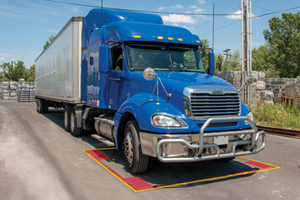
A properly configured truck scale helps facilities in Junction City, Kansas weigh vehicles consistently, reduce processing delays, and maintain accurate transaction records. The right system supports dependable performance through frequent traffic and demanding operating conditions.
Consistent Measurements
Delivers accurate, repeatable weights under heavy loads and daily use.Efficient Vehicle Processing
Reliable performance helps reduce delays and keep traffic moving.Outdoor Durability
Rugged components withstand weather, debris, and frequent vehicle traffic.Operational Visibility
Compatible technology helps organize weight records and reporting.


Start Your Junction City Truck Scale Project
Whether you are adding vehicle-weighing capabilities, replacing an outdated scale, or improving an existing setup, careful planning can help prevent costly limitations and support a smoother project.
Salina Scale Sales & Service works with customers in Junction City, Kansas to develop truck scale solutions around their facility and workflow. Request a quote today to begin planning a system built for reliable performance and long-term operational value.


Additional Kansas Truck Scale Locations:
Truck Scale FAQs
What are truck scales used for?
Truck scales weigh commercial vehicles carrying commodities, raw materials, finished products, waste, and other bulk loads. Businesses in Junction City, Kansas use these systems for inventory control, billing, shipment verification, and regulatory compliance.
How accurate are truck scales?
Modern truck scales provide accurate, repeatable measurements when properly installed and calibrated. Routine inspections, calibration, and preventative maintenance help preserve performance and support legal-for-trade requirements.
What is the difference between pit-mounted and aboveground truck scales?
Pit-mounted scales sit flush with the surrounding pavement and require less approach space. Aboveground scales use ramps and generally provide easier access to structural components for inspection, cleaning, and service.
How often should a truck scale be calibrated?
The appropriate schedule depends on usage, operating conditions, internal quality procedures, and applicable regulations. Annual calibration is common, but high-volume operations may benefit from more frequent accuracy checks and service.